How Much Does a Two-Car Garage Door Replacement Price?
Two-Car Garage Door Replacement Expense in Los Angeles
The typical two car garage door replacement cost in Los Angeles is generally around $1,500 to $5,500 for the door, basic hardware, and professional installation. High-end custom doors, complex structural work, specialty finishes, or a new garage door opener can increase the project total to $7,000 or more.
For homeowners comparing the 2 car garage door replacement cost, the key distinction is whether the project involves replacing only the door or also replacing the opener, tracks, springs, framing, weather seals, and electrical components. A simple steel double garage door may cost considerably less than a custom wood or carriage-style door.
In Los Angeles, a practical garage door replacement cost framework often includes the following ranges:
- Standard steel door replacement: approximately $1,500 to $3,000 with installation
- Enhanced or upgraded steel door: approximately $2,000 to $4,000 installed
- Specialty door: approximately $2,500 to $5,500 fully installed
- Wood or custom carriage house door: approximately $3,500 to $8,000 or more with installation
- New garage door opener: commonly an additional $400 to $1,200, including installation
These are estimated ranges rather than guaranteed quotes. The final price depends on the opening size, door weight, design, insulation, wind-load requirements, existing hardware, access conditions, and the condition of the garage structure. A professional inspection is the most reliable way to determine the actual two car garage door replacement cost for a specific Los Angeles property.
What Does a a Two-Car Garage Door Replacement Cover?
A complete replacement generally includes removal of the existing overhead door, installation of the new door sections, replacement or tuning of tracks and rollers, spring installation, cables, hinges, brackets, and safety testing. The contractor should also confirm that the door is properly balanced and travels easily by hand before connecting an automatic opener.
The key components may include:
- Garage door sections: The visible panels that create the door when closed.
- Garage door panel hardware: Hinges, end caps, brackets, and reinforcement struts.
- Tracks and rollers: The system that guides the door as it opens and closes.
- Door springs and cables: Components that balance the weight of the door.
- Automatic garage door opener: The motor, rail, trolley, wall control, remotes, and safety sensors.
- Weather sealing: A top seal, side seals, and bottom seal to minimize drafts, water intrusion, dust, and pests.
Some estimates cover only the door and basic garage door installation. Others include a new opener, disposal of the old door, upgraded rollers, reinforcement for a heavy door, or repairs to the header and framing. Ask the installer to identify every included component in writing so the quote can be reviewed clearly.
Garage Door Replacement Cost by Material and Style
Your choice of material and design have a significant effect on the final price. A metal garage door is usually the most affordable choice for a two-car garage. Steel doors are available in multiple colors, window configurations, surface textures, and insulation levels. Galvanized steel and corrosion-resistant hardware can be highly beneficial in areas exposed to moisture or salt air.
An lightweight aluminum garage door is lightweight and can be a suitable option for contemporary homes. Aluminum is often used for full-view doors with glass panels, but the price varies significantly based on the glass, frame design, thermal performance, and custom dimensions. Lightweight construction may also reduce strain on the opener, although the complete system still needs to be correctly balanced.
A natural wood garage door provides natural character and can complement Craftsman, Spanish-style, Tudor, and other Los Angeles architectural designs. It generally requires greater upkeep than steel or aluminum. Painting, staining, sealing, and periodic inspection are important because moisture can affect wood sections, trim, and framing.
A carriage-style garage door can create the appearance of traditional swing-out doors while operating as a modern overhead system. Decorative handles, hinges, windows, custom overlays, and heavier construction can add to the cost. The added weight may also require reinforced hardware and a properly sized opener.
Single-Layer, Double-Layer, and Insulated Doors
Single-layer doors typically consist of one exterior layer and are often the most affordable option. They provide essential security and weather protection but offer limited thermal and noise control. Double-layer doors add an interior backing, while a three-layer design commonly combines an exterior skin, insulation, and an interior layer.
An insulated garage door can improve comfort in an attached garage, especially when the garage shares walls with living areas or is used as a workshop. Insulation may also make the door quieter and more resistant to dents. Ask about the door’s R-value, which indicates resistance to heat flow. A higher R-value generally means better insulation, although installation quality and weather sealing also matter.
Many premium doors use polyurethane insulation, which is injected between the door skins and can provide greater strength and insulating performance than some basic alternatives. The proper level of insulation depends on the home, garage use, budget, and desired garage door insulation efficiency. A high R-value may not be necessary for a detached, unconditioned garage, but it can be worthwhile for an attached garage in a remodeled or energy-conscious home.
Garage Door Repair Expenses vs. Full Replacement
The typical garage door repair cost may vary from about $150 for a minor adjustment to more than $1,000 for substantial hardware, track, spring, or opener work. Repair is often appropriate when the door sections remain solid and the main problem affects a replaceable component. Full replacement becomes more practical when the door is seriously damaged, outdated, unsafe, or repeatedly failing.
Standard garage door repair pricing ranges include:
- Minor adjustment, lubrication, or safety inspection: approximately $100 to $250
- Roller, hinge, cable, or bracket repair: approximately $150 to $500
- Track repair or replacement: approximately $200 to $700
- Garage door panel repair or replacement: approximately $300 to $1,500 or more
- Spring replacement: approximately $200 to $500 for many common systems
- Opener repair: approximately $150 to $400, depending on the fault and parts
Comparing repair with the garage door replacement cost requires considering the door’s age and condition. If multiple sections are cracked, the hardware is worn, the opener is obsolete, and the frame is damaged, repairing individual parts may provide only a limited solution. A new door can improve security, appearance, reliability, and weather resistance.
When a Garage Door Panel Can Be Repaired or Replaced
Garage door panel replacement is often feasible when only one or two sections are damaged. A dented panel may be repairable if the damage is minor and does not affect the hinges, insulation, structural reinforcement, or track movement. Serious bends, cracks, crushed sections, and damage near hardware mounting points usually justify replacement.
Panel replacement is most simple for a matching sectional garage door that is still in production. The installer must match the section height, width, profile, window pattern, thickness, color, and manufacturer specifications. Even when the correct panel is available, a new section may look slightly different from older panels because of fading and weather exposure.
Matching colors can be challenging, particularly on doors that have been exposed to constant Los Angeles sunlight for many years. If a replacement section is visibly mismatched, painting all sections may create a more uniform appearance. If several panels are damaged or the model has been discontinued, replacing the complete door may be more cost-effective.
Garage Door Spring Replacement and Repair Costs
The typical garage door spring cost in Los Angeles is approximately $200 to $500, including labor for many typical residential systems. Price depends on the spring type, door weight, cycle rating, accessibility, number of springs, and whether cables, drums, bearings, or other hardware also need service.
A torsion-style spring is mounted above the door opening and works with a shaft and drums to lift the door. A torsion spring setup is common on two-car garage doors because it offers steady operation. An extension-style spring is positioned along the horizontal tracks and stretches as the door moves. Both systems are under considerable tension and should be serviced by a skilled professional.
Homeowners searching for nearby garage door spring replacement should avoid selecting a contractor based only on the lowest advertised price. Ask whether the quote includes both springs when the door uses a matched pair, new lift cables if needed, a balance test, lubrication, and a safety inspection. Never attempt to remove or adjust a broken spring without the correct tools and experience.
Garage Door Operator Installation Cost for a Two-Car Garage
The typical garage door opener installation cost for a two-car garage is around $400 to $1,200, covering the opener and labor. A basic chain-drive unit may be near the lower end, while a low-noise belt-drive or high-end smart system may cost more.
A chain-operated opener is reliable and usually affordable, but it can transmit more vibration and operating noise into the garage and adjacent rooms. A belt-drive opener generally operates more quietly and is popular for attached garages. The appropriate motor strength depends on the door’s mass, balance, construction, and usage.
A smart garage door opener may include Wi-Fi access, smartphone alerts, activity history, geofencing, voice-assistant integration, and remote control. A smartphone-compatible opener can be useful for monitoring deliveries or confirming that the automatic garage door is closed. The installer should verify photo-eye sensors, auto-reverse operation, emergency release, wall controls, and remote programming.
Installation, Takeaway, Permits, and Additional Replacement Charges
Garage door installation labor often makes up a few hundred dollars of a typical replacement project. Labor rises when the opening is difficult to access, the door is particularly heavy, the garage has limited headroom, or existing tracks and framing cannot be reused.
Confirm whether the estimate includes:
- Removal of the old door: Taking apart and removing the existing sections, springs, tracks, and hardware.
- Disposal fees: Charges for removing and recycling or disposing of old materials.
- Structural restoration: Work on a damaged header, jambs, framing, or mounting surface.
- Electrical installation: A new outlet, wiring, lighting, or other work required for an opener.
- Permit requirements: Administrative and inspection costs required by the applicable jurisdiction.
A standard replacement on a sound opening may be completed in a few hours. Older detached garages, converted homes, and nonstandard openings may require additional preparation. Confirm that the installer will inspect the header condition, side room, backroom, headroom, track alignment, and the standard garage door dimensions before ordering the door.
Los Angeles Factors That Affect Garage Door Pricing
Costs differ around Los Angeles County because local buildings and jurisdictional requirements differ. Homeowners should verify permit and inspection requirements with the City of Los Angeles or their specific local jurisdiction. Requirements can vary across Los Angeles County, including between Los Angeles, Santa Monica, Long Beach, Malibu, Pasadena, and other cities.
Coastal communities such as Santa Monica, Venice, Long Beach, and Malibu may experience more equipment and panel damage from salt air. Coastal corrosion can affect springs, fasteners, cables, tracks, and exterior finishes. https://proopenerrepairsolutions1-101-101-10.lumenforgex.com/posts/16-foot-garage-door-replacement-cost-and-repair-guide Galvanized or corrosion-resistant components, sealed hardware, and regular cleaning may be important in these areas.
Los Angeles properties vary from older detached garages and converted homes to newer developments. Existing framing, track alignment, header condition, and nonstandard openings can influence installation pricing. A replacement door may not fit an old opening without modifications, especially where the garage has been remodeled or converted from another use.
California seismic and building-code considerations may also affect the project. Door assemblies, structural attachments, wind-load requirements, and opener installation should be assessed for the specific property. Use a properly licensed local contractor who can ensure compliance with California building codes, local requirements, and any applicable inspection process.
Ways to Find Accurate Garage Door Repair Pricing Near You
When trying to find garage door repair near me, call companies that provide a physical business location, specific service details, and properly identified licensing and insurance information. A qualified technician should perform a garage door inspection rather than estimate a major repair based only on a brief phone description.
Before approving work, request a written estimate that separates the door, replacement parts, labor, taxes, removal, disposal, permit charges, and optional upgrades. Question the contractor:
- Is the problem caused by a broken spring, bent track, damaged rollers, or a structural issue?
- Can the existing garage door panel or opener be safely used again?
- Will the new door comply with applicable wind-load and California requirements?
- Are both springs, cables, rollers, and safety sensors included?
- What warranty covers labor, hardware, and the door finish?
Choose a licensed contractor who explains the repair options and does not push you to replace a door that can reasonably be repaired. A complete safety inspection should check balance, spring tension, cables, hinges, rollers, track condition, opener force settings, photo-eye alignment, and reverse testing.
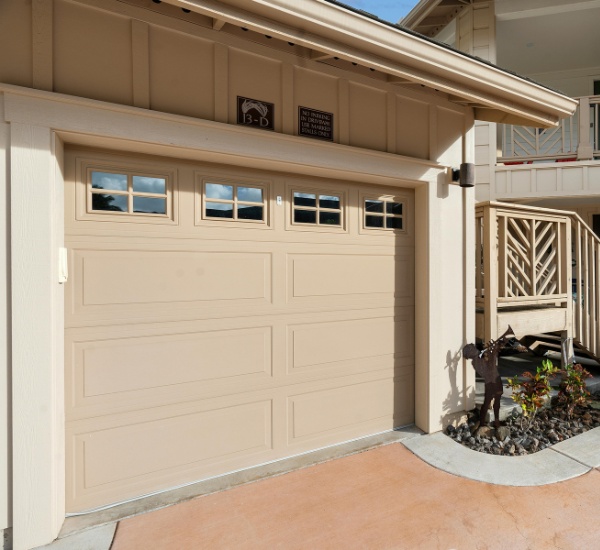
Ways to Reduce Costs Two-Car Garage Door Replacement
Start by choosing a standard garage door size and a widely available model when the opening allows it. Custom dimensions, unusual window layouts, specialty colors, and handcrafted materials can raise the price. Evaluate several written estimates that specify equivalent materials and hardware.
Ask about the manufacturer warranty and what it covers. A manufacturer warranty may apply to door sections, paint, insulation, or hardware, while labor coverage may come from the installer. Verify exclusions, transfer rules, and maintenance obligations before purchasing.
Off-season installation may give more flexibility in scheduling and potential savings from time to time, although urgent repairs and delays caused by weather can impact availability. If the door is still safe, arranging the replacement instead of waiting for a failure can allow you to compare choices without paying emergency service fees.
Routine maintenance can prolong the life of the system. Keep tracks clean, inspect the weather seal and bottom seal, oil approved moving parts, test auto-reverse operation, and schedule annual maintenance. Never apply lubricant to parts the manufacturer designates as requiring dry operation, and avoid adjusting springs yourself.
A properly serviced door can lower the chance of a broken spring, damaged rollers, cable failure, and opener strain. Proper sealing also helps protect the garage from dust, rain, pests, and temperature changes while maintaining the door’s appearance.
Frequently Asked Questions
How much does a two-car garage door replacement cost in Los Angeles?
A two-car new garage door installation commonly comes to about $1,500 to $5,500 in Los Angeles. Entry-level steel doors are generally cheaper, while insulated, custom aluminum, wood, and carriage-style doors are more expensive. Structural repairs, permits, disposal, a new opener, nonstandard openings, and coastal corrosion can add to the final garage door replacement cost.
How much does garage door repair cost compared with getting a replacement for the entire door?
Garage door repair pricing commonly runs from about $100 to $1,000 or more, depending on the problem. Small adjustments and roller repairs are less expensive than spring, track, or opener work. Repair is often practical when the sections are sound. Replacement may offer greater value when the door has multiple damaged panels, obsolete hardware, poor insulation, or repeated failures.
What is the usual garage door spring cost in Los Angeles?
The average garage door spring cost is approximately $200 to $500 for many residential repairs, including labor. The price varies according to whether the door uses a torsion spring or extension spring, the door weight, the spring’s cycle rating, and whether cables or other components also require replacement. Spring work should be performed by a qualified technician.
What is the cost of garage door opener installation cost?
Garage door opener installation cost is commonly about $400 to $1,200 for a two-car garage, with the unit and labor. Chain driven openers are often lower in cost, while belt-drive and smart garage door opener systems generally cost more. Electrical modifications, specialty mounting, heavy doors, and additional remotes can change the total.
EM Garage Doors And Gate Service Inc19629 Cantara St, Reseda, CA 91335
(818) 919-0785
https://emgaragedoorsandgateservice.com/
https://maps.app.goo.gl/XujLWxA4pAQKARQT8
34.2193569, -118.5613022
What is the best way to find reliable garage door repair near me in Los Angeles?
For reliable garage door repair near me, evaluate local companies that provide licensing and insurance information, detailed written estimates, warranty terms, and inspection-based recommendations. Ask whether the technician will test springs, cables, tracks, rollers, the opener, and safety sensors. A licensed local contractor knowledgeable about Los Angeles County requirements can also help confirm permit and California building-code considerations.